
Professional real estate photography helps properties stand out, attract more potential buyers and renters, and generate more inquiries. From my experience working with property managers and apartment communities across Los Angeles, I have seen how much of a difference professional HDR photography, virtual staging, and 3D tours can make. Good photography is not just about making a property look attractive. It is about helping people picture themselves living there and giving property owners a better chance of leasing or selling faster.
Make Your Property Stand Out in a Competitive Market
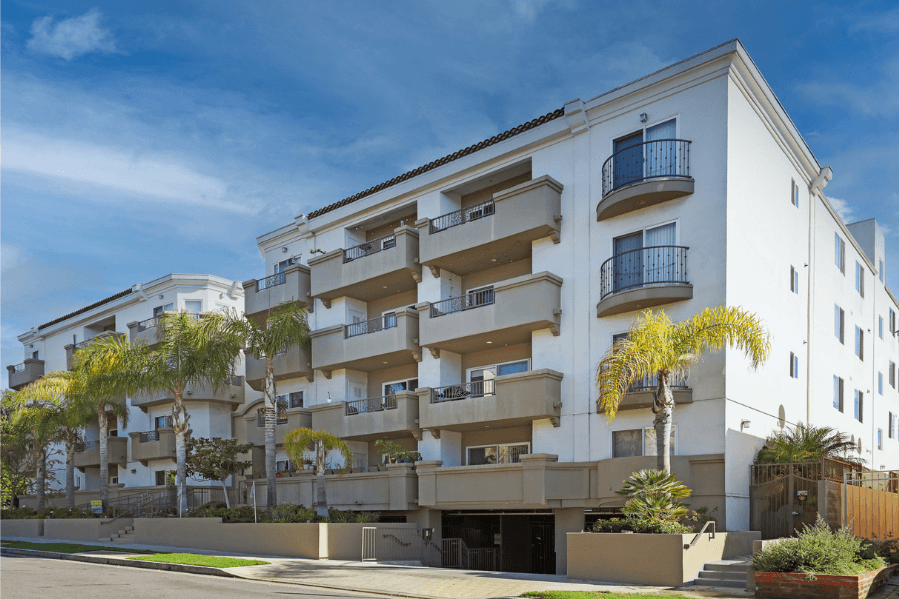
Real estate listings compete for attention. Whether you are selling a home or leasing a luxury apartment, potential buyers and renters often browse multiple listings before deciding which properties are worth visiting.
When your listing has dark, blurry, poorly framed, or inconsistent photos, people may scroll past it without giving the property a second look.
I have seen this happen with apartment communities in West Los Angeles, where competition for luxury rental units is high. Property managers need to stand out and generate enough calls and showing requests to keep their vacant units occupied.
When we started working with clients like Wiseman Residential and The Now, they typically relied on iPhone photography. Initially, they did not see much value in hiring a professional photographer.
However, after switching to professional real estate photography, they continued ordering professional shoots because they recognized the value of having better marketing images to attract potential renters.
The lesson is simple: your property needs to make a strong first impression if you want people to consider scheduling a showing. Investing in professional real estate photography can help present your property in its best light and make your listing stand out.
Professional HDR Photography Makes Properties Look Better
One of the biggest differences between professional real estate photography and smartphone photography is how the camera handles lighting.
When you take pictures using a smartphone, you may notice that windows appear completely white while the interior looks dark. This happens because the camera struggles to balance the bright outdoor light with the darker interior.
Professional photographers use HDR (High Dynamic Range) photography to solve this problem.
How HDR Photography Works
HDR photography typically involves capturing multiple exposures of the same scene and combining them during post-production.
For example, we commonly use three exposures:
- One exposure captures the brighter areas, including windows and outdoor views.
- Another captures the darker areas inside the property.
- The third balances the overall lighting and details.
These exposures are blended to create one balanced image.
The result is a photograph where you can see the kitchen appliances, flooring, walls, furniture, and outdoor views without losing important details.
In my experience, professional HDR photography consistently makes apartment units look brighter, cleaner, and more spacious.
It is especially important when photographing kitchens, living rooms, and bedrooms because lighting helps communicate the depth and overall condition of the space.
Professional Photography Makes Older Properties More Appealing
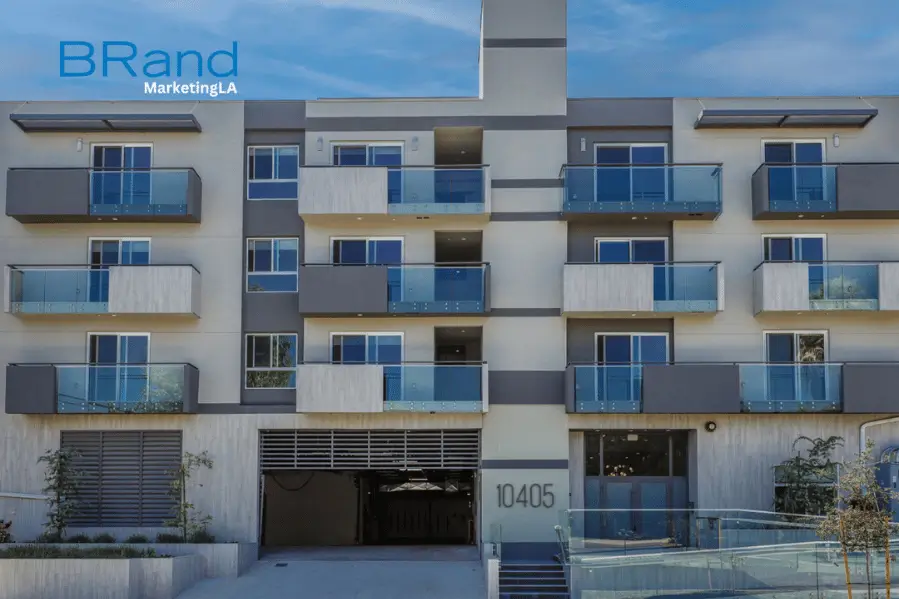
Many property owners assume professional photography is only necessary for luxury homes, newly constructed buildings, or recently renovated apartments.
I disagree.
Professional photography is equally important for older properties.
Not every apartment has brand-new appliances, modern flooring, or recently renovated bathrooms. However, good lighting, proper composition, and professional editing can present the existing features in their best light.
I have photographed both newly renovated and older apartment units, and professional HDR photography makes a noticeable difference in how they appear online.
The goal is not to misrepresent the property’s condition. It is to make sure the photographs accurately showcase the space without making it look unnecessarily dark or unattractive.
For property managers competing with newer apartment communities, this can help their listings receive more attention.
Professional Photographers Know the Right Angles and Composition
Taking a photograph is easy. Knowing where to stand, which angle to use, and how to frame a room properly requires experience.
One common mistake I see with amateur real estate photography is poor camera positioning.
A room photographed from the wrong angle can appear smaller, narrow, or awkward. Even a beautiful apartment can look unappealing if the photographer does not understand composition.
Professional real estate photographers use wide-angle lenses to capture more of the space while carefully controlling distortion.
Why Camera Angles Matter
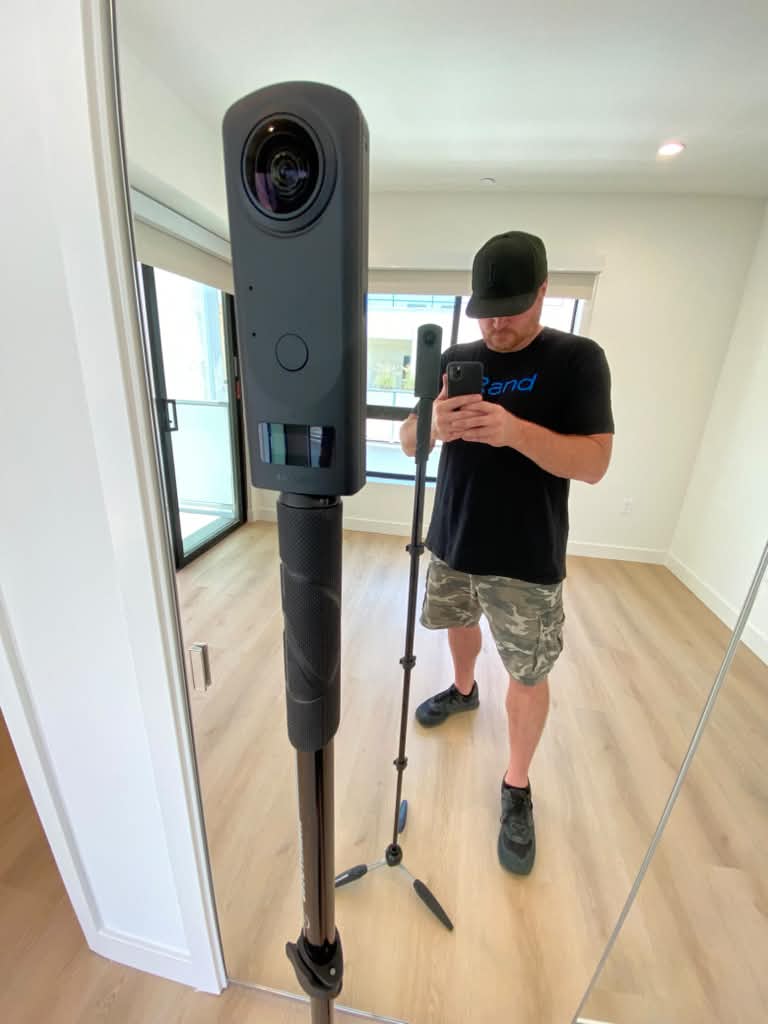
I generally recommend capturing at least two photographs of each room:
- One primary angle showing the main features.
- One reverse angle providing another perspective of the space.
For example, when photographing a bedroom, one image can be taken from the doorway to show the window and overall layout. Another can be captured from a corner looking toward the closet and entrance.
For living rooms, different angles and distances help communicate the room’s actual dimensions.
I also prefer quarter-angle compositions over photographing every room straight on. Taking every photograph head-on can create a tunnel-like appearance.
The right angles help potential renters and buyers understand how the property is laid out rather than simply seeing a collection of random photographs.
The First Few Listing Photos Can Make a Big Difference
When people browse real estate websites, they usually do not spend much time examining every listing.
Your first few photographs need to capture their attention.
I generally recommend prioritizing the following:
Exterior and Curb Appeal
The exterior photograph is often the first image people see.
It should communicate the property’s overall appearance and create a positive first impression. Clean landscaping, an attractive entrance, and a well-presented exterior can make a listing more inviting.
During post-production, we sometimes use sky replacement to improve the appearance of exterior photographs when the original sky is dull or overcast.
Living Room
The living room is usually the first interior space I recommend showcasing.
People want to understand how spacious, bright, and comfortable the main living area feels.
A strong living room photograph can encourage potential renters to continue exploring the listing.
Kitchen
The kitchen is another important area, particularly in luxury apartments.
Professional photography helps highlight the countertops, cabinetry, appliances, lighting, and overall layout.
If your living room and kitchen photographs are strong, you have a better chance of keeping prospective renters interested in the property.
Virtual Staging Helps People Visualize Empty Properties
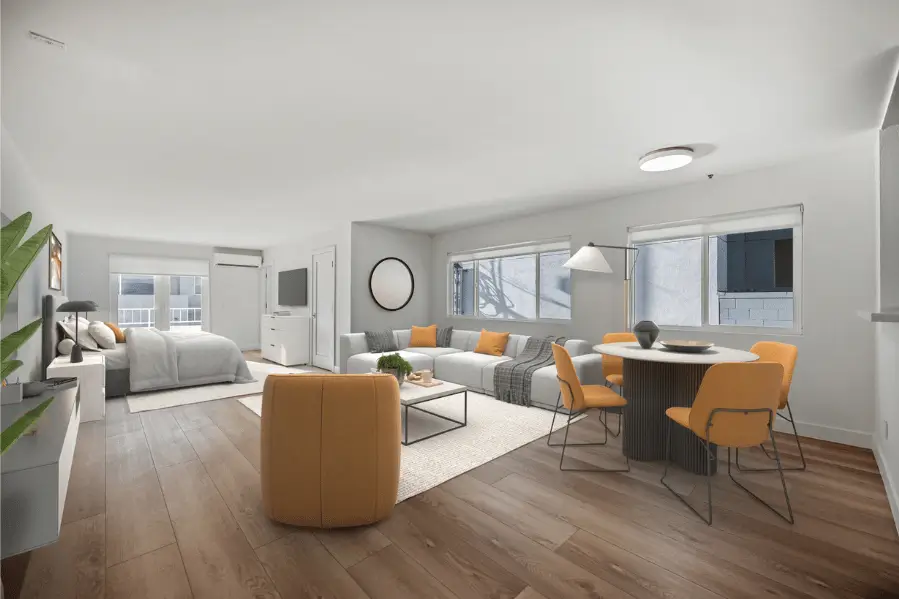
An empty apartment can be difficult to visualize.
Potential renters may struggle to understand where a sofa should go, how much space a dining table would occupy, or whether their bedroom furniture would fit comfortably.
This is where virtual staging becomes useful.
Virtual staging involves digitally adding furniture, decorations, rugs, and other interior elements to photographs of an empty property. Our virtual staging service helps property owners and managers present vacant spaces in a more inviting way, making it easier for potential renters and buyers to visualize the property.
In my opinion, it is one of the most valuable add-on services for vacant apartment units.
Depending on the project, virtual staging can cost approximately $50–$250 for one to five images.
You do not necessarily need to stage every room. Even a few professionally staged photographs can help people understand the property’s potential.
I usually recommend prioritizing:
- The living room.
- The primary bedroom.
- The dining area, if applicable.
- Any other empty space that would benefit from showing its potential use.
Virtual staging is particularly helpful when physical staging is too expensive or impractical.
Real Estate Photography Can Help Properties Lease Faster
Professional photography should be viewed as an investment rather than simply another marketing expense.
Think about an apartment that generates $3,000 in monthly rent. If the property remains vacant for an additional week because its marketing is not attracting enough attention, the owner is losing potential rental income.
This is why I often encourage property managers to consider the financial impact of leaving a unit vacant.
The question I like to ask is:
“What is the monthly rent you’re losing by not having proper photography?”
Professional photography alone cannot guarantee a faster lease. Pricing, location, property condition, competition, and leasing management also matter.
However, better marketing materials can help generate interest and encourage more prospective renters to take the next step.
3D Tours Reduce the Need for In-Person Visits
Matterport 3D virtual tours take property marketing a step further. They allow prospective renters and buyers to explore a property virtually and understand how different rooms connect before scheduling an in-person visit.
Instead of relying entirely on photographs, prospective renters can explore the apartment virtually and understand how different rooms connect.
This is particularly useful for people moving from another city or state.
Without a virtual tour, someone interested in an apartment may need to arrange parking, coordinate schedules, and visit the property in person just to understand its layout.
A 3D tour gives them an opportunity to explore the unit before deciding whether to schedule a physical showing.
For property managers targeting out-of-area renters, this can remove an important barrier. For apartment communities in Los Angeles, Zillow 3D home tours offer another way to let prospective renters explore available units online.
Real Examples From Our Real Estate Photography Projects
My experience working with apartment communities in Los Angeles has shown me that professional photography is not just about taking attractive pictures. Sometimes, the property itself presents challenges that require careful photography and post-production.
Live Angeles – 4749 Elmwood Avenue
We worked on a property at 4749 Elmwood Avenue for Live Angeles.
The building had several visible issues, including:
- Smudges on the floors.
- Water spots on windows and sliding glass doors.
- Debris on balconies.
- Furniture and trash cans on the exterior sidewalk.
These details affected the overall appearance of the property.
We spent considerable time on post-production, digitally removing visible blemishes and cleaning up different areas of the photographs.
The final images presented the property beautifully, and the client was amazed by the results.
This project demonstrated how professional editing can improve the presentation of a property when the original conditions are not ideal.
Western Lux – Two-Bedroom Apartments
We also worked with Western Lux on two-bedroom apartment units that were not leasing at the desired pace.
We recommended a complete visual marketing package that included:
- Professional HDR photography.
- Matterport 3D virtual tours.
- Floor plans.
- Virtual staging.
We also handled post-production details such as removing mirror marks, floor smudges, and balcony imperfections.
Following the content upgrade, the units successfully leased.
This experience reinforced my belief that property managers should look at the entire marketing presentation rather than relying on basic photographs alone.
Which Real Estate Photography Services Should You Choose?
Not every property needs every photography service. The right package depends on the property’s location, target audience, condition, and marketing budget.
Here is how I generally recommend choosing services:
HDR Real Estate Photography
This should be the starting point for almost every property. It provides professional images that showcase the space, lighting, and important features.
Floor Plans
Floor plans help potential buyers and renters understand the property’s layout and room dimensions. If your budget is limited, I consider floor plans one of the first services to add after professional photography.
Virtual Staging
Best for vacant properties where people may struggle to visualize furniture placement and room functionality.
Matterport 3D Virtual Tours
Particularly useful for larger apartment communities and properties targeting people relocating from outside the local area.
Drone Photography
Useful when the property has attractive surroundings, impressive architecture, or location advantages worth highlighting. For example, an apartment building near UCLA may benefit from aerial photography that communicates its surroundings.
Twilight Photography
A good option for luxury properties that need a more premium presentation. Twilight images can highlight exterior lighting, architecture, and outdoor amenities.
How to Prepare Your Property Before a Professional Photoshoot
Hiring a professional photographer is important, but preparation also plays a major role in the final results.
I have seen projects where poor preparation created additional editing work that could easily have been avoided.
Before your photographer arrives, I recommend checking the following:
- Clean all floors, windows, mirrors, and glass doors.
- Remove personal belongings, unnecessary furniture, and clutter.
- Clear balconies and exterior walkways.
- Remove trash cans and other unnecessary items.
- Make sure all light bulbs are working.
- Remove protective blue film from stainless steel appliances.
- Remove stickers from washing machines, dryers, and shower doors.
- Remove blue painter’s tape from walls and other surfaces.
- Confirm whether the property needs physical or virtual staging.
One thing I strongly recommend is restricting access to the unit after cleaning. Ask maintenance staff and other visitors to remove their shoes or wear protective shoe covers before entering.
This helps keep the property clean until the photographer finishes the shoot.
A little preparation can save considerable editing time and help produce better photographs.
How to Choose the Right Real Estate Photographer
Not every photographer who owns a professional camera understands real estate marketing.
When hiring someone, look beyond their equipment and photography portfolio.
A good real estate photographer should understand what the property owner is trying to achieve.
Are you trying to lease vacant apartments, sell a luxury home, attract out-of-state buyers, or promote a newly renovated property?
The answer should influence which services the photographer recommends.
Here are a few things I would look for:
- Real estate photography experience: Review their previous apartment, residential, and commercial property projects.
- HDR photography skills: Check whether their images have balanced lighting without unnatural colors or over-editing.
- Composition: Look for photographs that show the property’s layout clearly without excessive distortion.
- Post-production quality: Ask whether editing, color correction, and basic image cleanup are included.
- Additional services: Check whether they offer floor plans, virtual staging, Matterport tours, and drone photography.
- Communication: A professional should discuss your property’s requirements and recommend services based on your goals and budget.
Most importantly, look for someone who understands that photography is part of your overall property marketing strategy.
Final Thoughts
Professional real estate photography is about more than making a property look attractive. It is about presenting the space in its best light, helping potential buyers and renters understand its value, and giving property managers and agents better marketing materials.
From my experience working with apartment communities across Los Angeles, I have seen clients move from smartphone photography to professional HDR images after recognizing the value of better property presentation.
Whether you are marketing a luxury apartment, an older rental unit, or a residential property for sale, investing in professional photography can make your listing more competitive.
My recommendation is simple: do not treat photography as an expense you need to minimize. Treat it as an important part of your real estate marketing strategy.